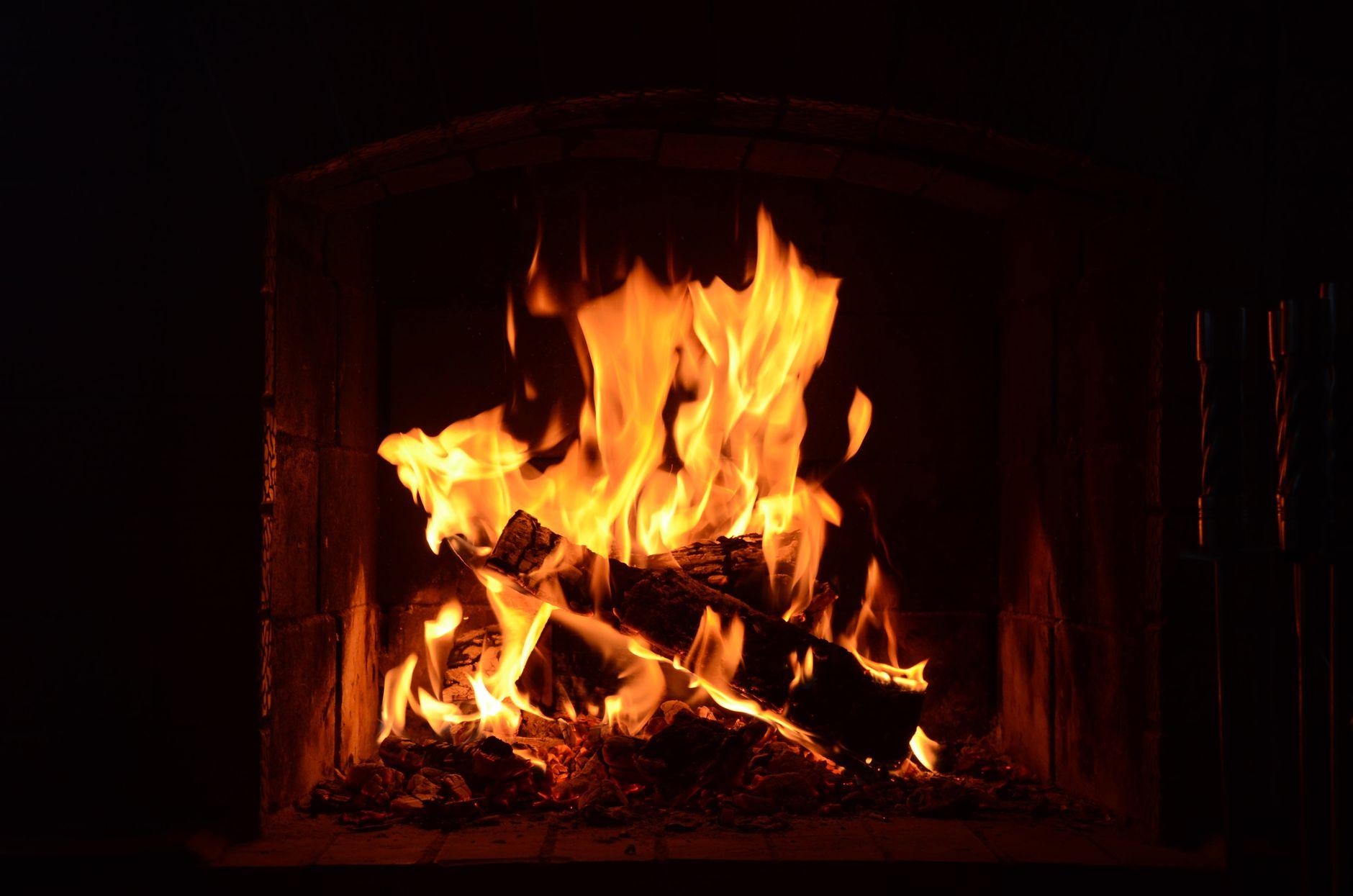
Your first house, and its first chimney
Most first-time buyers in Corona walk through a house with a fireplace and picture the fires, not the flue. That is natural. But a fireplace is the one feature of a house that sends open flame through a hidden passage built into the wood frame. During escrow, the time to learn about it is while you can still ask the seller to do something.
What the general home inspection covers
Your general inspector checks the whole house: roof, plumbing, wiring, foundation, appliances. On the fireplace they usually peer into the opening, perhaps shine a light upward, and note what they see from the roof. Many reports close the chimney section with a line suggesting a chimney specialist take a closer look. That line is not a finding. It means the inspector could not see inside, and it hands the question back to you.
What a Level 2 adds
NFPA 211 is the fire code chimney inspections are based on. Of its three depths, Level 2 is the one it pairs with a sale, and it is the one we recommend while you are in escrow. Ours costs $395 for one chimney and includes:
- The firebox, damper and hearth, as in a visual check.
- Video of the full flue, recorded by a camera that travels from bottom to top.
- The roof: the top of the chimney, its cap and the metal that seals it to the roofing.
- The attic, where the chimney or the metal flue passes the framing, checked for heat marks or water.
- A written report with photos, in plain words.
What the camera finds in Corona houses
In the factory-built fireplaces common in Corona's newer tracts, the camera often finds metal flue sections that have separated at a joint, rust near the top where rain has got in, and caps that are bent or missing parts. In older brick chimneys it finds cracked clay tile, open joints and crumbling mortar high on the stack. Both kinds can show creosote heavy enough to need sweeping, or a nest in a flue with no cap.
None of these is rare, and most have a known repair. What matters for you as a buyer is knowing about them before closing, while the repair can still be part of the deal.
How the report fits into the deal
The report is written so a buyer who has never owned a chimney can follow it, and so your agent can pass it to the other side without rewriting it. Each finding says what the part is, what we saw and whether it affects safe use. Where we publish a price for the fix, it appears beside the finding: work to stop a leak ($565 to $3,350) or a water-diverting cricket ($450 to $1,015). Anything else gets its own written figure once measured. A rain cap is quoted on site.
With the report in hand, you and your agent decide what to ask for: a repair before closing, a lower price, or nothing at all if the findings are minor.
A sample finding, in the words you will read
Here is how one item might appear, so you know what to expect. "Flue, upper third: two metal sections have separated at a joint, leaving a gap of roughly half an inch. Smoke and heat can escape into the chase at this point. Do not use the fireplace until the joint is reconnected or the section replaced." Beneath it sits a still from the video with the gap marked. No code numbers, no shorthand. If a term like chase or crown appears, it is explained the first time it shows up in the report.
That plain style is not only for you. Sellers, listing agents and lenders read these reports too, and a finding everyone can follow tends to settle faster than one that has to be translated.
What decides the timing
Your contract sets a period for inspections. The chimney visit itself is short, but it needs a dry roof and access, and any repair figure that follows needs time to be written up. So the earlier in that period you schedule it, the more room you keep. Give us the property address, the listing agent's details for access and who you want copied on the findings, and we arrange the rest. Request the Level 2 for the house you are buying.
If you cannot be there
Many buyers are at work or living elsewhere during escrow. Access through the agents works fine, and the report and video reach you either way. If you can come, we are glad to show you the fireplace and name its parts in person, which is useful when it is your first.
Burn rules and your new fireplace
Corona sits inside the South Coast AQMD, and its Rule 445 can stop wood burning on some winter days when air quality is poor. It does not affect the sale or the inspection, but it is worth knowing before the first cold snap, and it is one reason some buyers ask us about gas instead.
After you get the keys
Keep the report and the video. They are the baseline for every later inspection: a crack that has not changed in five years means something different from one that has grown. A Level 1 at $55 each year after is usually enough, unless you change the fireplace or something happens to it. Before converting to gas or adding an insert, read Sweep or Inspection First?, and for the sale itself see our home sale inspection page and the Level 2 service page.
Starting in escrow
If you are in escrow on a Corona house with a fireplace, begin at the contact page and give us the address.
Reading Is a Start. Seeing Yours Is Better.
Darrow Chimney Pros inspects, cleans and sweeps for new owners in Corona, Riverside, Pomona, Brea and nearby towns, and explains every finding in everyday words.