
A stain, a drip and a new owner
The first winter in a house is when hidden leaks introduce themselves. In Corona, most of the year's rain falls in a few months, so a chimney that stayed dry from move-in day can show a problem with the first proper storm. It might be a brown mark on the drywall beside the fireplace, water pooling in the firebox, or a musty smell from the opening. If this is your first chimney, here is what is likely going on, what it costs to fix and how we arrive at a price.
Where chimney water comes from
Water reaches the house by a handful of routes. In plain terms:
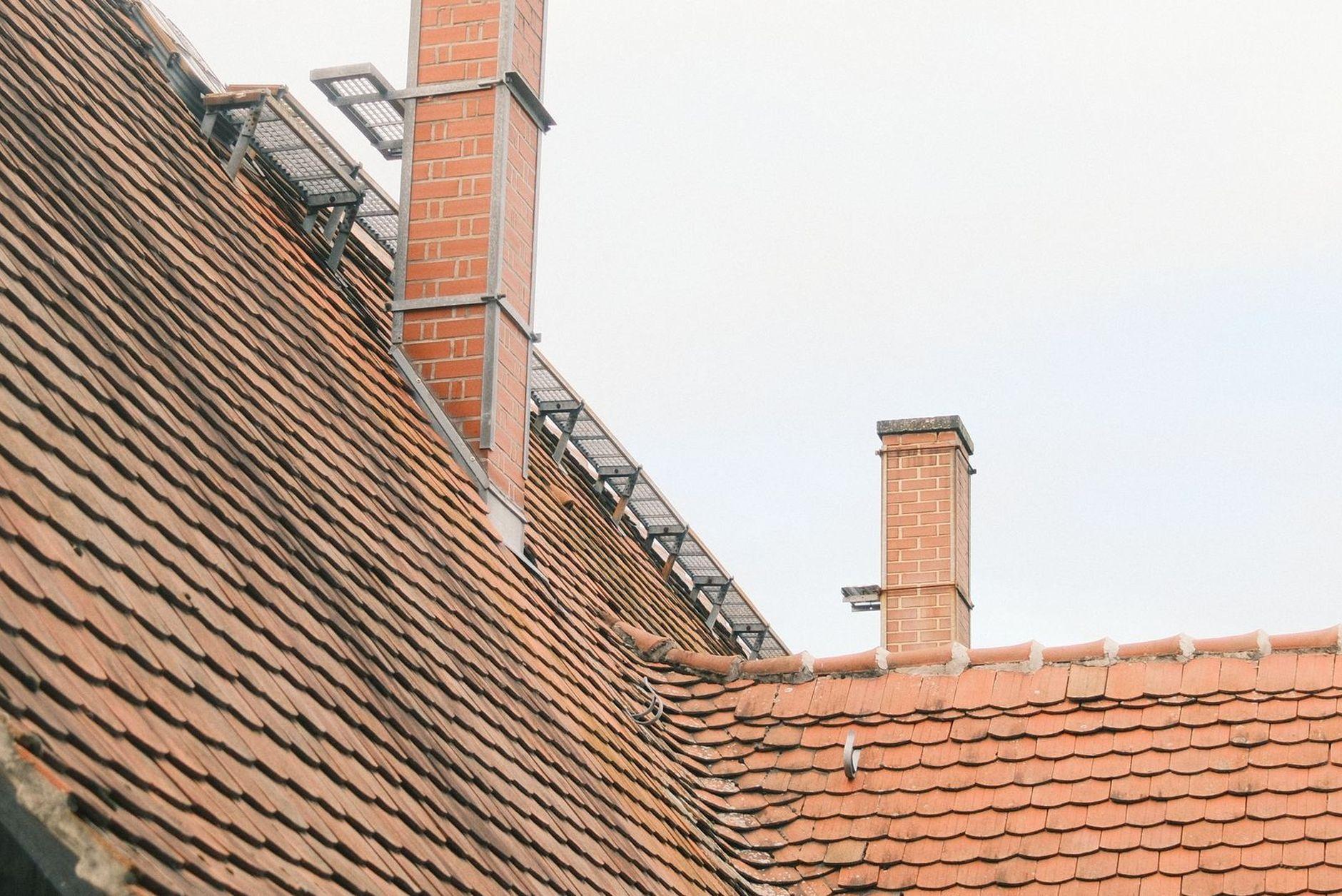
- The top. With no cap, the flue is an open pipe facing the sky. On a brick chimney, the crown, the concrete slab on top, can crack and let water into the brick itself.
- The seam with the roof. Flashing is the sheet metal that closes the gap where roof meets chimney. Sealant dries out and the metal lifts.
- The uphill side. A wide chimney can hold back water running down the roof. A cricket, a small ridge framed behind it, splits that water around the sides.
- The chase. On factory-built fireplaces, the metal flue sits in a framed box. Its lid is a metal pan called a chase cover, and once it rusts through or holds standing water, the leak goes straight into the box.
- The brick and mortar. Thirsty brick and eroded joints take on rainwater and let it travel inside.
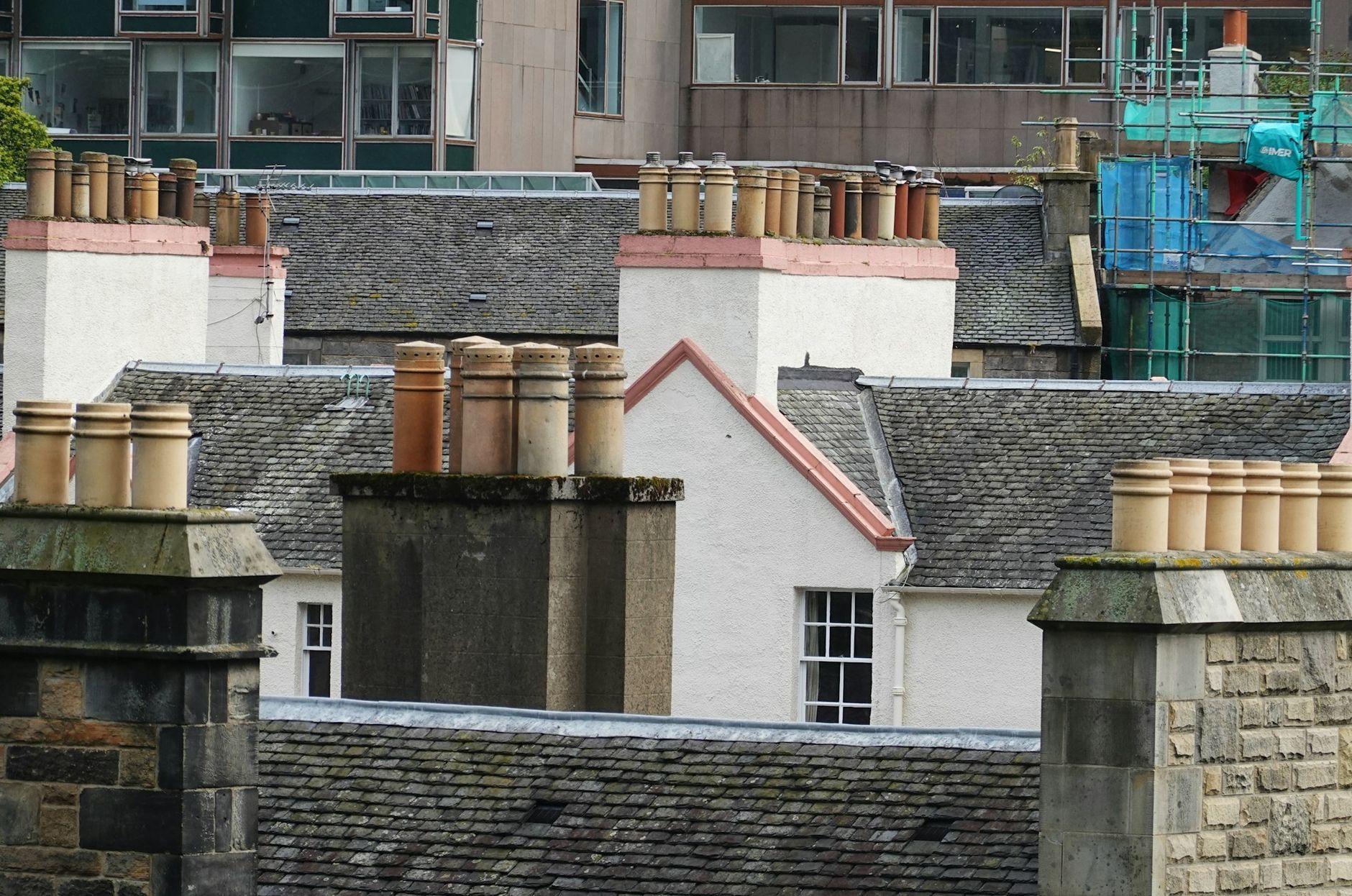
Many Corona houses have factory-built fireplaces in stucco chases, so the chase cover is one of the first things we check here. On a first visit we also explain which of these parts your own house has, since a new owner often does not know whether the chimney is brick, a metal flue in a framed box, or a mix of the two.
Signs that point to one route or another
You cannot see most of these parts from the yard, but the mark inside often hints at the source:
- Water in the firebox or on the damper usually means it came straight down the flue, so the cap or crown is the first suspect.
- A stain on the ceiling or wall beside the chimney points more often to flashing or a chase that is letting water into the framing.
- Rust streaks on the stucco below the top of a chase suggest the chase cover has given up.
- White, chalky deposits on brick show water moving through the masonry and leaving salts behind as it dries.
- A smell of damp ash on humid days often means the flue is wet somewhere above the damper.
None of these is proof by itself, and more than one can be true at once. They are a starting point for the visit, not a substitute for it.
How we find the source
A stain shows where water ended up, not where it got in, and the two can be several feet apart. Our visit starts indoors: where the mark is, how big, whether it is dry. Then the attic, where we can often follow a wet trail up the framing. Then the roof, where we look at the cap, the crown or chase cover, the flashing and the brick or stucco. If the cause is still unclear, we wet sections of the chimney in turn and see which one shows inside.
What it costs
These are the prices this site publishes for the fixes that come up most, in the order we tend to meet them:
- Locating the entry point and sealing it: $565 to $3,350
- A cricket framed above a broad chimney: $450 to $1,015
- That cricket plus fresh flashing around the whole base: $675 to $1,650
- A cap fitted over the flue: quoted on site
Crown work, a new chase cover and flashing replaced by itself have no fixed price here. We measure those and write the number down for you.
What decides where you land in the range
The leak range is wide because a leak can be a single failed seal or several faults working together. The low end is one simple entry point on an easy roof. The price climbs with the number of entry points, the height and pitch of the roof, the material involved (stucco, brick or metal) and whether water has already harmed parts inside, such as the damper or the framing near the chimney.
Once we have traced it, you get the cause, a photo and a written price before any work. Ask for a leak visit, and in the note mention where the mark is and whether it appears in every storm or only the heavy ones.
Why a new owner should not wait
Water in a chimney rarely stays small. It rusts the damper and the metal flue, softens mortar and, in a stucco chase, soaks the framing out of sight. Corona's dry summers hide this: the stain fades, the problem stays. Fixing it before the next wet season costs less than fixing the damage after it.
Until the visit, hold off on lighting the fireplace if water is reaching the firebox or the damper, since a wet flue draws poorly and rusted metal can stick. If the stain is on drywall, leave it until the source is fixed; patching and painting first only hides the evidence we use to trace the water.
Leaks and a home purchase
If you are buying, a leak found during escrow belongs in the report. Our Level 2 inspection, at $395, covers the roof and attic around the chimney, which is where leaks give themselves away. See also chimney leak repair, chase covers and our staged repairs page if the report lists several items. New owners still learning the parts may also like Hiring a Chimney Company, Year One.
When the next storm leaves a mark
Start at the contact page, and we will come and find where the water got in.
Reading Is a Start. Seeing Yours Is Better.
Darrow Chimney Pros inspects, cleans and sweeps for new owners in Corona, Riverside, Pomona, Brea and nearby towns, and explains every finding in everyday words.